MENU
STAY CONNECTED
CONTACT US
  • HOME
  • ABOUT
    • OUR STORY
  • OUR SESSIONS
    • NE FLORIDA SIGNATURE SESSIONS
    • THE NAPLES EXPERIENCE
    • DESTINATION FLORIDA SESSIONS
    • GALLERIES
  • THE EXPERIENCE
The PAWtographers Logo
  • HAPPENINGS
    • EVENTS
    • REWRITTEN
    • DOG MODELS
    • MENTORING, WORKSHOPS & MORE
  • SITSTAYLOVE
  • THE JOURNAL
  • CONTACT

Blue-green Algae and Your Pup

May 18 2024 | By: The PAWtographers

Share

DANGERS LURKING IN FRESH WATER

A warning sign by a body of water cautioning against swimming or allowing dogs to enter due to the presence of blue-green algae.

It's Not Just the 'Gators...

If you live in Florida, you’re probably familiar with the old joke that if you dip your hand in any lake, river, or pond and it comes out wet, there’s a good chance there are alligators around. However, there’s another danger in our freshwater bodies that’s much less visible but just as deadly for your dog—blue-green algae, also known as cyanobacteria.

Understanding Cyanobacteria: A Deadly Threat

Cyanobacteria is the bacteria responsible for the dangerous blue-green algae that often forms around the edges of stagnant or slow-moving freshwater. According to the Pet Poison Helpline, the toxins produced by cyanobacteria "cause life-threatening clinical signs and death in a very short amount of time." The Helpline emphasizes that any exposure—no matter how minimal—should be treated as a toxic exposure. Cyanobacteria can lead to liver failure, neurological damage, and severe skin issues.

Identifying Dangerous Algae: It's Not Always Blue-Green

While this harmful algae is often referred to as "blue-green," it can also appear red or brown. It typically manifests as mats, foam, or scum on the water's surface, often accompanied by a foul odor reminiscent of rotting plant material. According to the Cornell University College of Veterinary Medicine (CUCVM), "Cyanobacterial toxicity can be devastating. Many patients exposed to cyanotoxins affecting the liver or brain may not survive before arriving at a veterinary hospital, and they will require intensive care if they do."

Prevention Is Your Best Defense

The algae that support cyanobacteria thrive in stagnant or slow-moving fresh water—conditions that describe many ponds, lakes, canals, and even some rivers here in Florida. But don't just think of large bodies of water. This toxic algae can also grow in your backyard, in places like birdbaths, plant containers, and fountains. To protect your pet, it's crucial to keep these areas clean and free of algae, especially if your dog has access to them.

If you're planning a trip to a lake or another freshwater spot, always check local advisories for warnings about toxic algae blooms. For Florida residents, you can stay informed through this statewide algae bloom website: https://floridadep.gov/algalbloom

What to Do If Your Dog Is Exposed

If you suspect that your dog has come into contact with a cyanobacterial bloom, immediate action is critical. According to the CUCVM, you should rinse your dog thoroughly with fresh water and head straight to the veterinary hospital. Remember, there's no reliable way to tell by sight whether an algae bloom is toxic, so it's always better to be safe than sorry.

It's Not Just a Florida (or a Dog) Problem

Cyanobacteria isn't limited to Florida. If you’re traveling north for the summer or planning a vacation near any body of freshwater, be aware that blue-green algae can grow in any stagnant or slow-moving water, particularly during the summer and fall. The toxic bacteria are also dangerous for humans, making it essential to stay vigilant wherever you go.

Leave a comment

Leave this field empty
This form is protected by reCAPTCHA to prevent spam and abuse. Information collected may be processed for security purposes.
Submit

0 Comments

Previous Post Next Post

Related Posts

A dog exploring the trails in the Jacksonville Arboretum

Exploring Florida’s Top 10 Dog-Friendly Parks and Trails

July 3, 2024

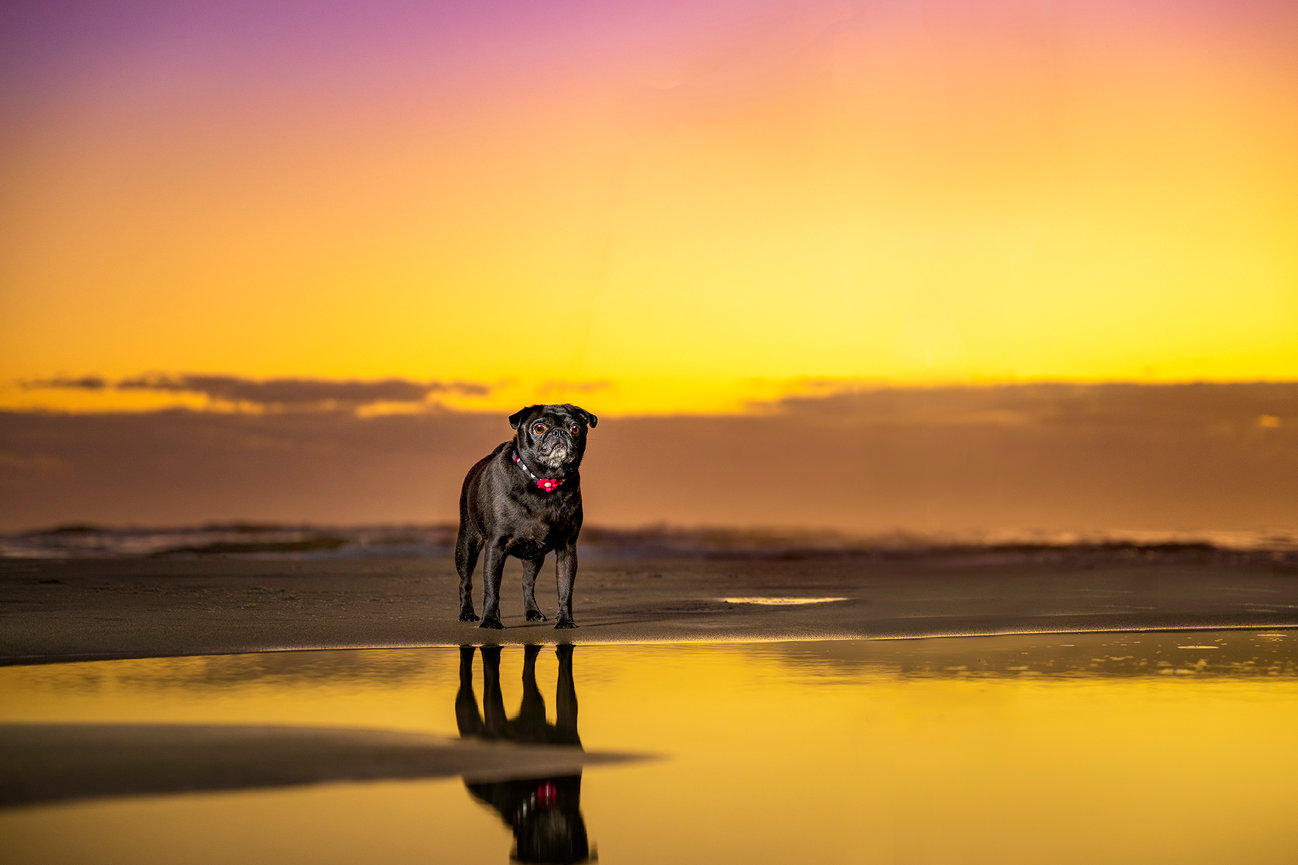
A happy pug posing in the water at sunrise at a dog-friendly beach in Florida.

Top 5 Dog-Friendly Beaches in Florida to Explore This Summer

June 27, 2024

Collage of close up dog noses in various colors and angles.

DOG NOSES: ARE THEY REALLY UNIQUE?

December 28, 2023

New for 2024: A Curated Collection of Fine Art Backgrounds for Your Dog’s Portraits

January 18, 2024

Archive

2026 Jan Feb Mar Aug Sep
2025 Jan Feb Mar Apr May Jun Jul Aug Sep Oct Nov Dec
2024 Jan Feb Mar Apr May Jun Jul Oct Nov Dec
2023 Apr Aug Sep Dec
2022 Oct

Browse

adoptable article award awards bts client stories community community partnerships dog model events exhibition fine art pet portrait floriday flower fields fundraiser giveaway historic st. augustine hurricane jacksonville skyline locations

CONTACT

Creative Consultation Call Us Email Us  

EXPLORE

Northeast Florida Sessions Naples Sessions Our Story The Journal  

GIVING BACK

SIT STAY LOVE Happenings  

CONNECT

Instagram Facebook Newsletter  
Professional Affiliations

Professional Photographers of America  ·  American Society of Photographers  ·  Florida Professional Photographers  ·  Professional Photographers of North Florida

Professional Credentials

Degrees & Honors →

Community Partnerships

Jacksonville Humane Society Official Paw Partner


Jacksonville  ·  St. Augustine  ·  Naples  ·  Throughout Florida

904-504-1254  ·  info@thepawtographers.com

© 2026 THE PAWTOGRAPHERS®
Crafted by PhotoBiz
CLOSE
The PAWtographers Logo
  • HOME
  • ABOUT
    • OUR STORY
  • OUR SESSIONS
    • NE FLORIDA SIGNATURE SESSIONS
    • THE NAPLES EXPERIENCE
    • DESTINATION FLORIDA SESSIONS
    • GALLERIES
  • THE EXPERIENCE
  • HAPPENINGS
    • EVENTS
    • REWRITTEN
    • DOG MODELS
    • MENTORING, WORKSHOPS & MORE
  • SITSTAYLOVE
  • THE JOURNAL
  • CONTACT
  • MAGAZINE
  • BOOKS
STAY CONNECTED
CONTACT US